Terraform with Ansible vs. Chef: choosing the right tool for your cloud infrastructure
A practical comparison of Terraform, Ansible and Chef across language, agent model, state management and multi-cloud support - and which combination fits your organisation's size and compliance needs.
By Hardik Kamdar
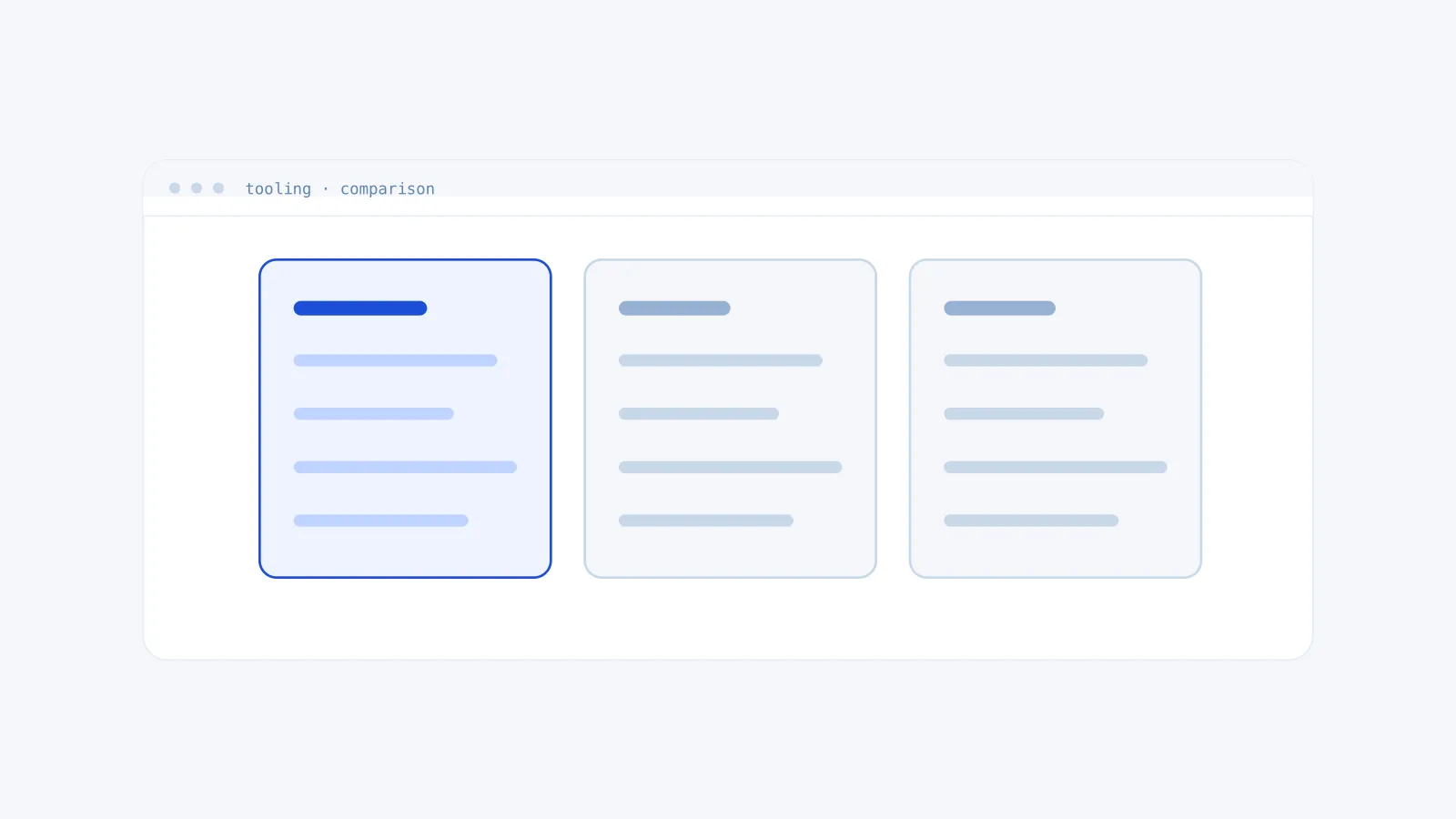
In the rapidly evolving world of cloud computing, infrastructure as code (IaC) has become a critical approach to managing and provisioning IT environments efficiently. Among the most popular IaC and configuration management tools, Terraform, Ansible, and Chef stand out. Each has distinct strengths, making them suitable for different use cases.
This article compares Terraform with Ansible and Chef, and explores which tool is best suited for various types of business.
Understanding the tools
Terraform
Terraform, developed by HashiCorp, is an infrastructure provisioning tool that lets you define infrastructure using a declarative configuration language (HCL). It is cloud-agnostic and supports multiple providers, including AWS, Azure, and Google Cloud.
Key features:
- Declarative syntax. You describe the desired state of infrastructure and Terraform ensures the environment matches it.
- State management. Terraform maintains state in a file, letting it track changes and apply only necessary modifications.
- Multi-cloud support. Works across various cloud providers and on-premises environments.
- Immutable infrastructure. Ensures consistent deployments by recreating infrastructure rather than modifying it in place.
Ansible
Ansible, developed by Red Hat, is an agentless automation tool used for configuration management, application deployment, and orchestration. It is known for its ease of use and uses YAML-based playbooks.
Key features:
- Agentless. No need to install agents on target machines, reducing overhead.
- Declarative and procedural. Can define both the desired state and step-by-step execution.
- Idempotent. Ensures changes are applied only when necessary.
- Strong for continuous deployment. Integrates cleanly with CI/CD pipelines.
Chef
Chef, developed by Progress, is a powerful configuration management tool that automates infrastructure management using a Ruby-based DSL.
Key features:
- Agent-based architecture. Requires agents installed on target machines.
- Procedural approach. You define a set of steps to reach the desired state.
- Powerful customisation. Supports complex configurations and logic.
- Strong compliance and auditing. Built for enterprise security compliance.
Head-to-head comparison
| Feature | Terraform | Ansible | Chef |
|---|---|---|---|
| Primary purpose | Infrastructure provisioning | Configuration management and automation | Configuration management and automation |
| Language | HCL | YAML | Ruby DSL |
| Agent requirement | No | No (agentless) | Yes (agent-based) |
| Declarative or procedural | Declarative | Mix of both | Procedural |
| State management | Yes | No | No |
| Multi-cloud support | Yes | Limited | Limited |
| Ease of learning | Moderate | Easy | Difficult |
| Idempotency | Yes | Yes | Yes |
| Best use case | Provisioning across clouds | Config management and CI/CD | Complex automation and compliance |
Which one is best for your business?
Small and medium businesses
Best choice: Ansible. Easy to set up with a minimal learning curve. The agentless architecture reduces management overhead, and it handles infrastructure automation, application deployment, and patch management well.
Startups and cloud-native companies
Best choice: Terraform with Ansible. Terraform manages infrastructure at scale across multiple cloud providers, while Ansible complements it by managing configurations and automating tasks. Quick to deploy and integrate with DevOps workflows.
Enterprises and large-scale deployments
Best choice: Chef, alongside Terraform for provisioning. Chef offers extensive customisation and compliance capabilities. Terraform provides a strong provisioning foundation while Chef manages configuration at scale, and Chef’s procedural approach gives full control over automation and security policies.
Multi-cloud and hybrid environments
Best choice: Terraform with Ansible. Terraform efficiently provisions infrastructure across multiple cloud platforms, and Ansible automates configuration management, making hybrid cloud management seamless.
Highly regulated industries
Best choice: Chef. Strong compliance and security enforcement, detailed logging and reporting, and suitability for organisations requiring strict infrastructure control.
Conclusion
Choosing the right tool depends on your business needs, the complexity of your environment, and your compliance requirements.
- For simple automation and ease of use, Ansible is the best choice.
- For scalable infrastructure provisioning, Terraform is ideal.
- For complex, enterprise-grade automation with compliance, Chef is the way to go.
- For the best of both worlds, Terraform with Ansible provides flexibility and efficiency.
By selecting the right tool - or combination of tools - businesses can optimise their cloud infrastructure, improve efficiency, and enhance security.
Want help deciding? Talk to our team about your environment.